My first project
It all started with a glass-topped coffee table.
In 2005 I was studying programming at Kyiv Polytechnic and looking for a part-time job. A furniture company took me on, so I learnt AutoCAD and started drawing coffee tables. That went well enough for them to ask if I could learn to make images for their ads, too. I'd picked up drafting quickly. How long could a render possibly take? Famous last words.
They gave me money for textbooks and software on disc. As a broke student, I'd never have been able to afford any of it. I'm still grateful for that. I'd go to class, then spend my free time with these enormous 3ds Max and V-Ray manuals. You read a chapter and it all makes sense. You open the software. Where's the manual again? Ready-made 3D models were scarce, and you couldn't just pull up a video of someone doing the whole thing.
A few months later I took on my first render. By then I was pretty sure I knew almost everything. How someone that knowledgeable managed to make an image that awful is still a mystery to me. I don't have photos of the tables or any of those first renders. Pity. I'd love to see (and show you) what I somehow found the nerve to hand over.
I made next to nothing from it for the first few years. I'd still come home from lectures, open 3ds Max and lose an entire evening trying to work out why the picture looked nothing like the one in my head. Somewhere in there it dawned on me that I was studying to be a programmer and had already turned into a 3D artist.
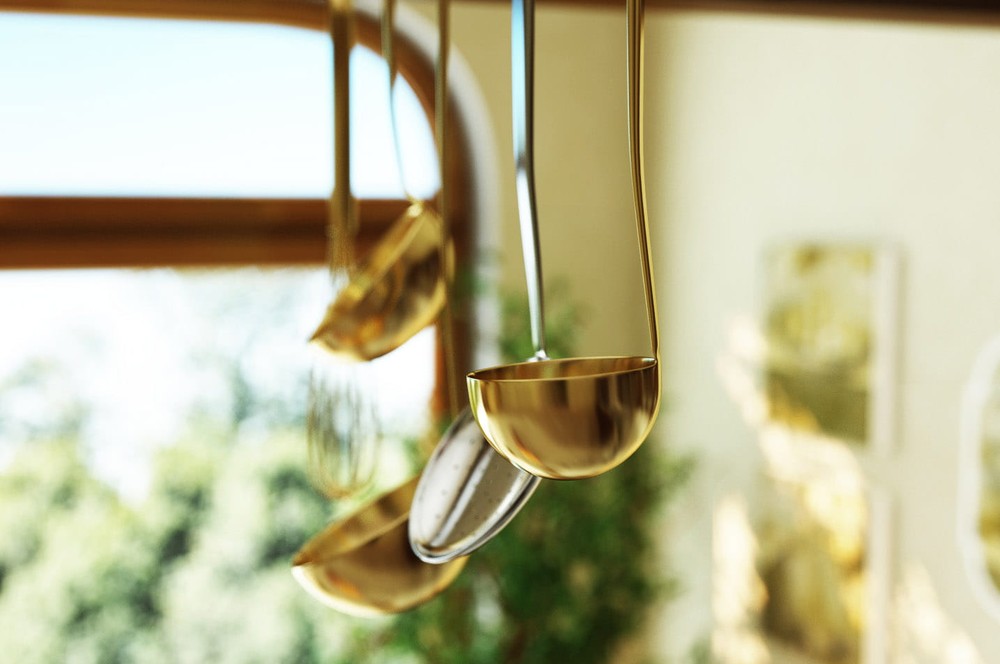
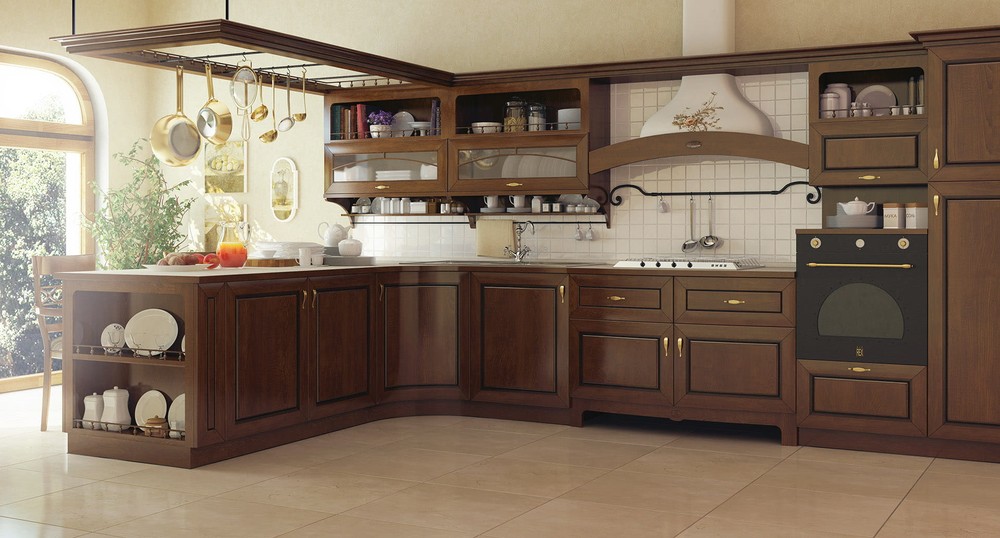
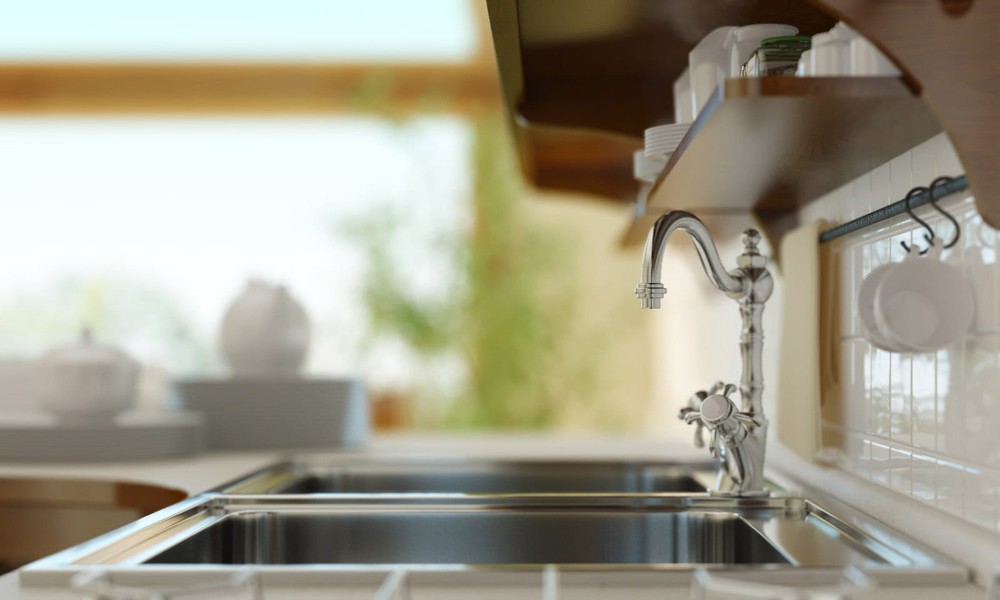
Working on furniture taught me how it was designed and what a difference light and composition could make. I spent my first earnings on a DSLR and got hooked on photography. I liked that you could take a completely ordinary object and show someone, in a single shot, what caught your eye. I started doing more close-ups in my renders, too. Take the ladle. I still think it earned its own shot.
Going freelance
After university I went freelance, doing 3D interior renderings for designers.
Working at Dorohouse
I joined Kyiv's Dorohouse studio as a 3D artist. Over the next few years the department grew, and for some reason they put me in charge of it. It turns out you can know exactly where the camera ought to go and be absolutely hopeless at explaining it. I also had to interview people, train the new starters and make sure our various projects were all heading somewhere. All of that came in handy in Kherson.
Starting the studio and opening our first office in Kherson
Kherson is my hometown. When I moved back and started putting Terodesign together, I had a flat that I called an office with a surprising amount of conviction. It looked bad enough to make some people think twice about going in. A few of the ones who did make it through the door first heard of 3D software at the interview. Imagine turning up for a job, already slightly regretting setting foot inside, and only then finding out what the job actually is.
There weren't many people with experience, so I taught the team from scratch. They wanted to learn a trade that paid well in Kherson, and we had plenty of work. I still remember my first employer taking a chance on me. I wanted to give them the same shot, so they moved from training to real projects fairly quickly.
Today I'd call that a mad decision. And I'd seen my own first renders. You'd think I'd have drawn a few conclusions from that. I'm a bit more boring about it now. We start by seeing how an artist handles similar tasks before handing them client work.
Back then we worked side by side. I loved seeing someone figure something out on their own for the first time. It was a bit like watching your kid take their first steps. At first you hover, ready to catch them. Next thing you know, they're faster than you. Sometimes I'd still be fiddling with a scene and someone next to me would already be done. If they got stuck, we'd sit down, open the scene and work out what went wrong. Then they'd have another go themselves.
We were all hooked on 3D. I'd finish my own work and still hang around someone's desk to see what they'd made and ask how they'd done it. I'd only just shown them where to start, and there I was learning from them. We became friends over those conversations, and I got a little better at taking myself less seriously. And who cares what the office looked like? We were happy there.
A couple of years later we moved into a proper office. By then we were doing both visualizations and full interior design projects for flats and houses. I used to ask the designer if I didn't know where the sofa should go. Now people were asking me. Good thing I'd spent years listening to the answers.
Moving to Poland
In 2015 I moved to Poland, set up the company there and opened an office in Kraków.
We bought expensive computers for rendering. Every time I was about to buy another one, I'd happily calculate how many hours it would save. My wife suggested I also look at the price tag. Funny how selective my love of maths was back then. I honestly don't know if I'd do it all again now. At that age I had enough energy, naivety and a taste for a gamble to go ahead first and have a proper panic later.
International projects and the switch to Corona Renderer
In 2016 we landed our first international projects, and we got into exterior visualization. After more than ten years in 3ds Max, there I was staring at the screen again, wondering where to start.
The new computers made rendering faster. Of course, you can produce ten lovely images overnight and find out the next morning your client needed just one, from the other side of the building. We learnt to start by asking where the images would be used and what they were for. Then we'd share rough views, choose what to keep together and get to work on the lighting and materials. If they need the view from the courtyard, it's nice to know before you've spent half the evening on the reflections in the street-facing windows.
We swapped notes with people from other 3D visualization studios. Sometimes we'd meet for a beer and talk about how we set up lighting or ran projects. You could help someone out and go home with an idea you couldn't wait to try the next day. I'm still grateful for how freely everyone shared. We'd post work in online galleries, get feedback and sometimes land a job. There were good months and there were months I'd happily skip.
The software changed and we changed with it. I really felt that when we switched from V-Ray to Corona Renderer. Anyone who was around then probably remembers what it's like to learn a new render engine after years with the old one. If the lighting looks off, your hand already knows where to go. Suddenly you're back to figuring out how materials work and which of your old tricks still apply. I liked how alive the images looked in Corona, and I could finally be more confident about what I'd see when the render finished. That was worth being a beginner again. I had no idea how handy the habit of starting over would be when AI showed up in our work (I'll get into how we learnt to use it and what actually stuck in the next article).
Going fully remote
We already knew how to work on the same project from different cities. In 2022 the studio went fully remote, and we no longer needed a shared office.
Everyone who started out in that flat is still doing 3D. Me included, as you can see. I still sit down to work with the same curiosity I had opening 3ds Max after lectures.